
About Abilene Heritage Square
A contemporary learning center open to all.
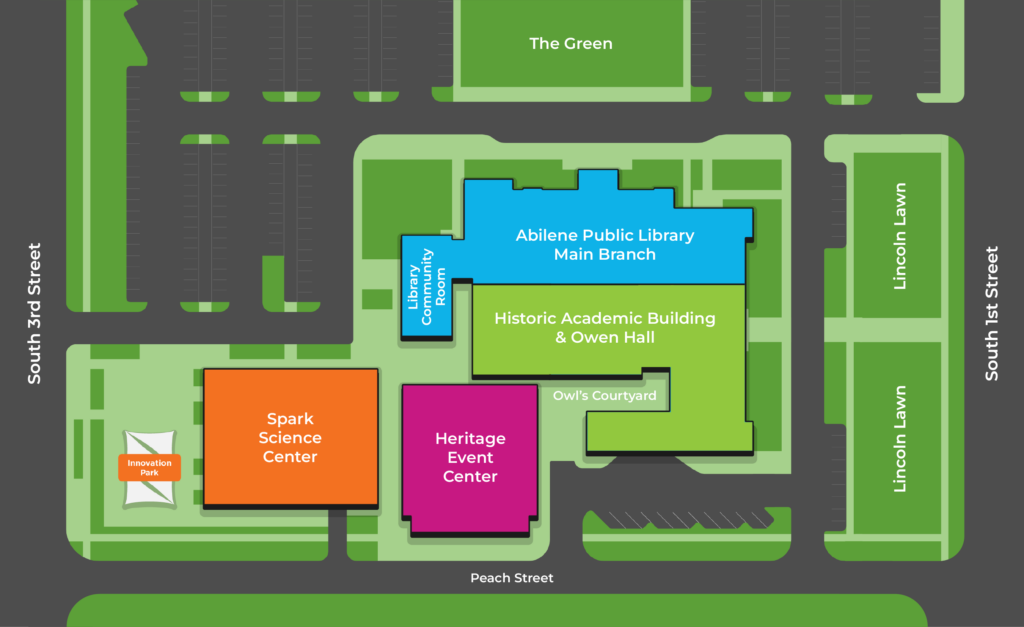
The historic campus has witnessed generations of our community – memories have been created, educational pathways formed, and futures forged. Its purpose, then and now, focuses on opportunities for all. Abilene Heritage Square will serve as a multipurpose hub for lifelong learning, art and cultural attractions, and innovative activities and programming. It will enhance the lives of residents throughout the region and encourage further growth and development.
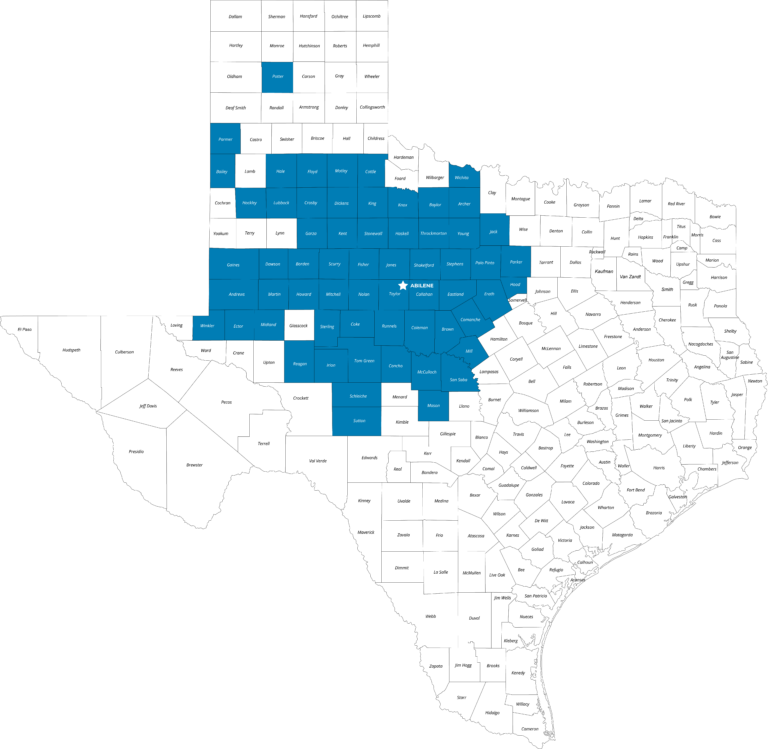
Estimated Regional Impact
Abilene Heritage Square will serve as a gateway for educational opportunities in Texas.
School districts in these counties send an average of 30,000 students to Abilene for educational enrichment every year.
History of Abilene
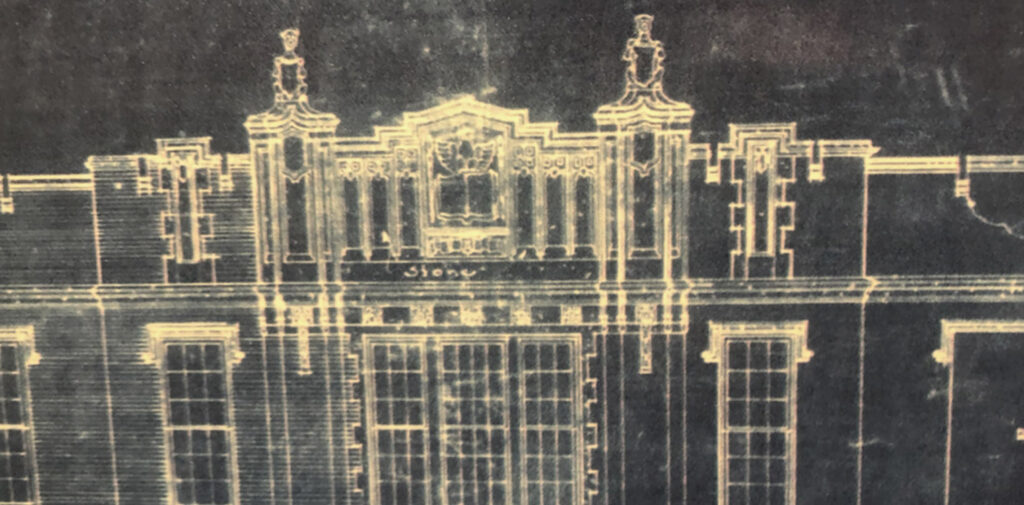
Abilene was established in 1881 by the Texas and Pacific Railway company. While it was originally a tent town, a proper city quickly began to emerge from the dusty streets. By the 1920s, Abilene’s population had grown considerably and a modern, vibrant, downtown life with new businesses and opportunities for entertainment was the heart of the town.
Preserving our Story
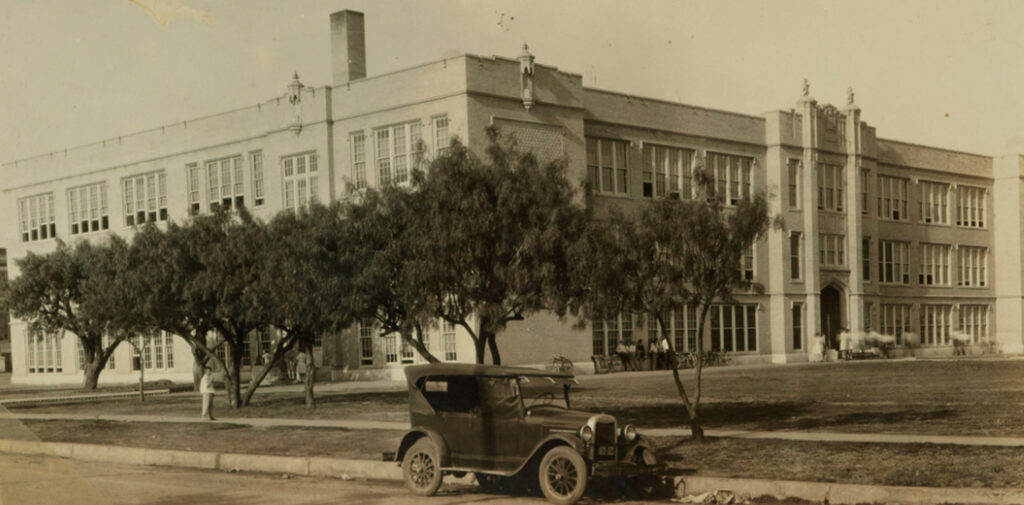
In the 1920s, Abilene was rapidly growing which resulted in the need for more public schools. The decision was made to build a centrally-located high school on South First Street that would serve as a testament to Abilene’s dedication to public education. The high school opened in 1924, and would remain open as Abilene High until the new high school was built and opened in 1955 on Mockingbird and North 6th.